 Rade Center
Helpful Reading
Are You Sleeping Well or Tossing and Turning in Pain?
The best sleeping position for your back, a soft or firm mattress, which pillow to choose – advice from a chakrakchia’s practice.
Sleep problems are many and varied, and their causes are even more numerous. In this article, we’ll touch on only some of them.
How Crooked – and How Straight – Are You?
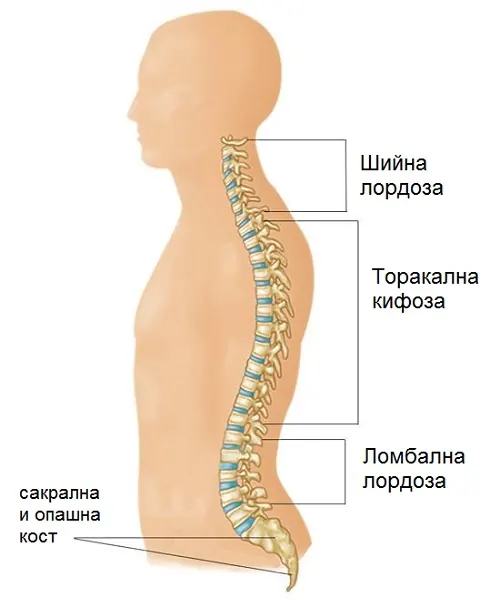
The spine has its own anatomical features. It has two lordoses (inward curves) – in the lumbar region (lower back) and in the cervical region (neck) – and one kyphosis (outward curve) in the thoracic region. These very curves allow it to carry more load, turning it into a large, efficient spring. Problems arise when the curves change for one reason or another.
Which Side Do You Sleep On?
I Sleep on My Stomach

Babies and young children love sleeping this way – for them it’s comfortable and perfectly fine. For an adult, however, this position can lead to a number of problems. You can’t keep your head in a balanced position with your face toward the bed, so you turn it to one side – and that’s a twist that creates an imbalance in the neck muscles. If you sleep on your stomach on a pillow, you’re asking for neck trouble. The result is usually the same: sleep on your stomach – wake up with a stiff neck.
For people with a large belly and for pregnant women, sleeping this way is impossible. Sleeping on your stomach is the worst position for an adult.
I Sleep on My Side
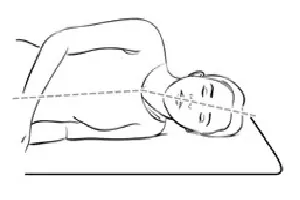
This is a slightly better option, and if the pillow is the right height, the strain won’t be as sharp. But you may still wake up with tension in your neck, and if you sleep in this position for a long time, pain often follows.
There’s debate about whether sleeping on your left side puts pressure on the heart and whether sleeping on your right improves digestion. The heart gets compressed on both the right and the left – just with different force. Why compress it at all when you can sleep on your back? And if you have to digest while you sleep, you’ll have problems whatever position you’re in. That’s why it’s best to eat dinner before 8 p.m., leaving 3–4 hours for digestion before bed.
I Sleep on My Back
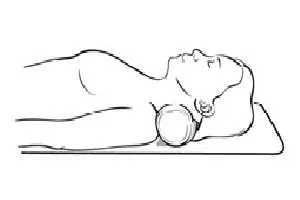
This is the healthiest position. The spine is in a balanced position, it carries the body’s weight easily, and there’s no pressure on the internal organs. By lying horizontally, you give your spine a break from gravity and help it recover from a long day.
Fun fact: in the morning you’re between 2 mm and 1 cm taller than in the evening, because your spine decompresses. Similar decompression can be achieved with therapeutic yoga or Yumeiho therapy.
I Toss and Turn at Night
Tossing and turning at night is often a sign of increased pressure on the discs between the vertebrae. Hot weather only adds to the discomfort. Any change in the back – for example, a flattened lordosis (when you spend most of the day sitting) or an increased kyphosis (hunching) – makes things feel worse and gets in the way of restful sleep. Excess weight causes problems too – even if it’s just „a little beer belly.“
Unfortunately, the strain on the back isn’t only physical. Every argument with a loved one, every time we yell or feel intense grief, anger, envy, jealousy or fear, puts nervous strain on the back as well. Literally: „you can’t sleep because of your nerves.“ As prevention, I recommend gazing into a candle flame for 5 minutes before bed – the soft light is calming. In many cases, that’s enough to help you sleep more peacefully and without waking up.
Shall We Cuddle Tonight?
Two lovers snuggled up in bed, sleeping sweetly in each other’s arms – movies and TV show us this romantic picture all the time. What they don’t show is what happens in the morning: both wake up stiff and needing to move. The arm the partner was lying on is numb and has lost some of its strength. This may wear off during the day, but if it happens regularly, the strain on the nerves of the arm builds up. It’s wonderful to sleep cuddled up for a small part of the night. It’s not good when it’s every night, all night long.
Soft or Firm Mattress?

In my practice as a chakrakchia, I see all kinds of back problems, and we often discuss which mattress to use. The choice is individual, and I can’t give you a ready-made formula – and that’s without even counting the state of mind you go to bed in, which affects your sleep even more than your physical state. With some conditions, such as disc disease, depending on the stage it may be better to sleep on a firm or a soft surface – but this is not for everyone.
Let me reassure you: when you lie down on the right mattress in the store, you’ll recognize it as yours. Just test it before you buy it. Let your spine make the decision, not your eyes.
Sleeping on a couch is cruel punishment. No sofa bed stays the same over the years – they all sag and warp. They’re made for occasional sleeping when you have guests. If you regularly sleep on a couch, you’re asking for back pain.
Pillows – Which One Should I Choose?
High, medium and low, firm and soft, memory foam, down, sand or pellet-filled, cylindrical or flat – the variety is dizzying, and there’s no single formula. I strongly recommend lying on the pillow right there in the store and staying on it for 10 minutes. If you start to feel slight discomfort in your neck, it’s not the pillow for you. Let your neck choose, not your eyes, which look at the color or the label.
If you already have neck pain and want to replace your pillow, it’s a good idea to first reduce the pressure between the cervical vertebrae – for example, with Yumeiho therapy. Only then should you look for a suitable new pillow. One more thing: it’s good to replace your pillow every 2–3 years. More expensive ones may last longer, while cheaper ones may lose their shape sooner.
Why Do You Want 10 Hours of Sleep When 4 Are Enough for Me?
„You sleep so much! Get up, stop lazing around!“ – we’ve all heard reproaches like that. The truth is, there’s no fixed amount of sleep – it’s individual. Listen to your own body more than to the comments of the people around you. Some things, however, apply to everyone:
- If you regularly oversleep, your productivity drops. To find out when you’ve had enough – when you wake up, stand up and give a good stretch toward the ceiling. If you’re still sleepy afterward, sleep. If it wakes you up, don’t go back to bed for more.
- To wake up early, you have to go to bed early.
- Staying up late is only for those who can create at 2 a.m. – paint, write, make music. If at that hour you’re just watching TV or playing games, you should have been in bed long ago.
- Anyone can learn to get up early at 5 a.m., and it’s beneficial if you want maximum energy during the day.
- Nightmares and frequent dreams can be a sign that your nervous system is overloaded.
- If you dream about this article, it means you want to meet in person.
I’m Pregnant – How Should I Sleep?
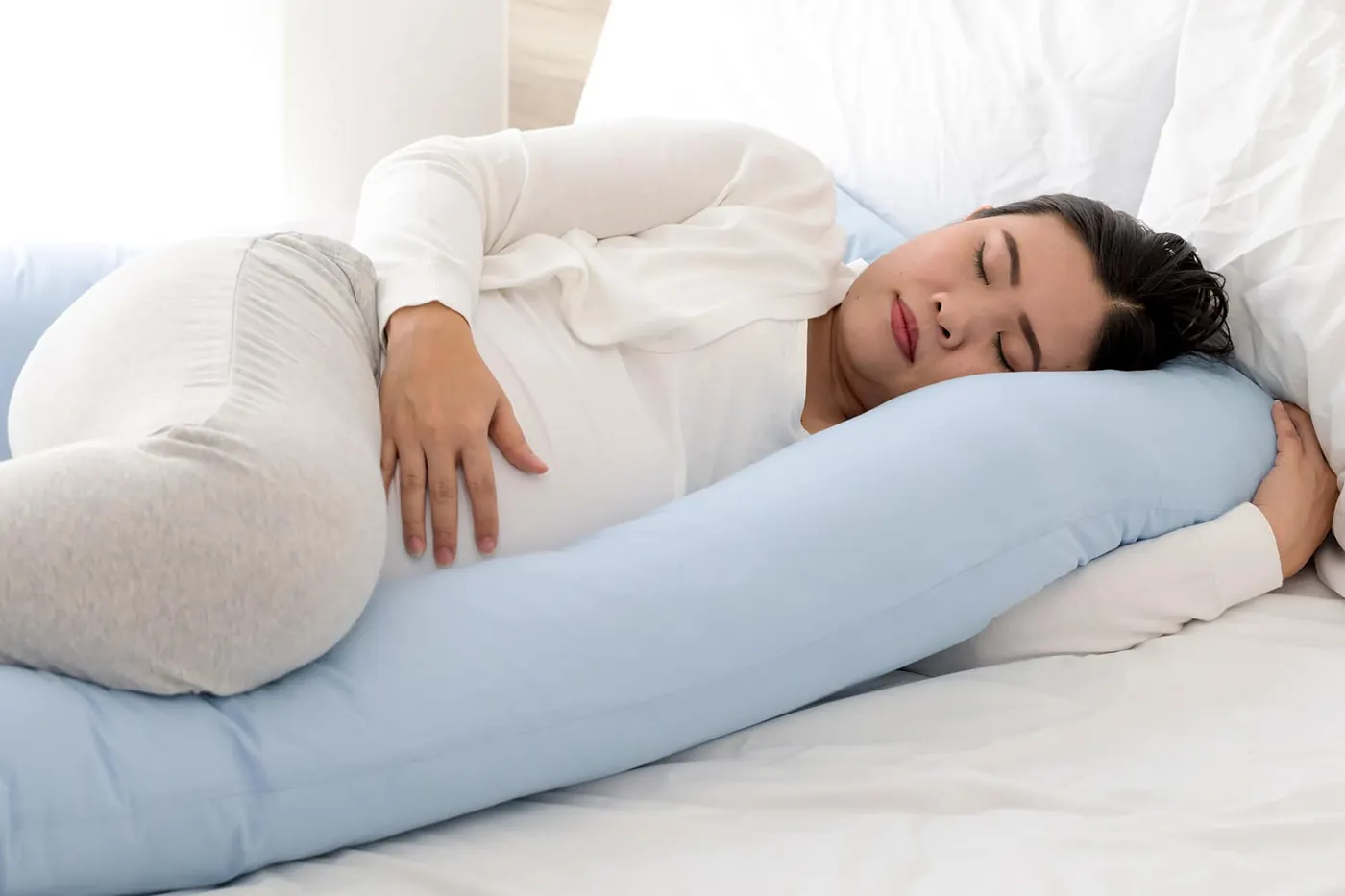
Doctors give the following recommendations, and I fully agree with them. During the first 3 months, a woman can sleep however she likes (on her stomach is allowed but not recommended because of neck pain). Between the 3rd and 6th months, sleeping on your back is most recommended, and sleeping on your stomach is off-limits due to the risk of miscarriage. After the 6th month, sleeping on your back becomes difficult, so sleeping on your side with a pillow between your legs is recommended. Which side and which pillow is up to the woman. What matters is that she’s comfortable and at ease. If you have questions, consult your doctor.
Extra Weight and Back Pain During Sleep
Being unable to sleep because of excess weight is understandable – it often leads to metabolic problems and pain. Losing a lot of weight takes effort and persistence. In my practice, it’s often the source of a series of complications. An appropriate abdominal massage can improve bowel peristalsis and make losing weight easier. Lower back pain, in turn, can be transmitted through the abdominal wall to the intestines – day and night. In that case, attention needs to be paid to both the lower back and the intestines.
About This Article
I draw on my own practice as a chakrakchia. What I’ve written isn’t new, and I’m not the only one writing it. There will be people with completely different opinions – and that’s fine. If you agree, share the article. If you don’t – great. Stay well and healthy.
I’m not a doctor and don’t claim to know more than doctors do. I want my patients to use this article as a quick reference.
The therapies at Rade Center do not replace medical diagnosis and treatment. For serious or acute complaints, consult a doctor. Phone for appointments: 0885 314 878.


 Book on SuperDoc